
Easy Ways to Keep Indoor Plants Thriving
Summer is one of the best seasons for houseplants. Longer daylight hours, warmer temperatures and increased humidity often encourage fresh growth and vibrant leaves. Whether you’re caring for a single pothos or a mini jungle, a few seasonal adjustments can help your plants flourish.
Popular summer-friendly houseplants include the Monstera Deliciosa, Snake Plant, Peace Lily and Spider Plant. These plants generally enjoy the brighter conditions that summer brings, though direct midday sun can still scorch delicate leaves.
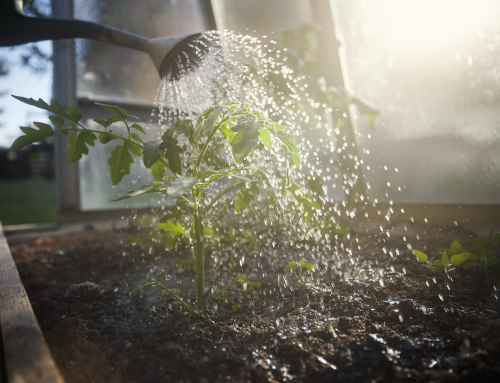
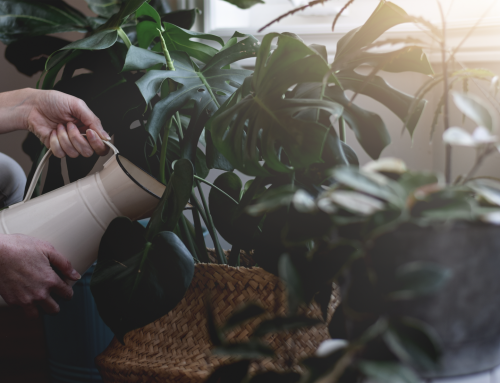
Watering becomes especially important during hotter months. Many plants dry out faster in summer, so checking the soil regularly is key. Instead of watering on a fixed schedule, feel the top inch of soil first, if it’s dry, it’s usually time to water. Overwatering remains one of the most common mistakes, even in warm weather.
Summer is also the ideal season for feeding houseplants. A balanced liquid fertilizer such as Westland Houseplant Droplet Feeders can support healthy growth. Dusting leaves and rotating pots occasionally will also help plants absorb sunlight more evenly.
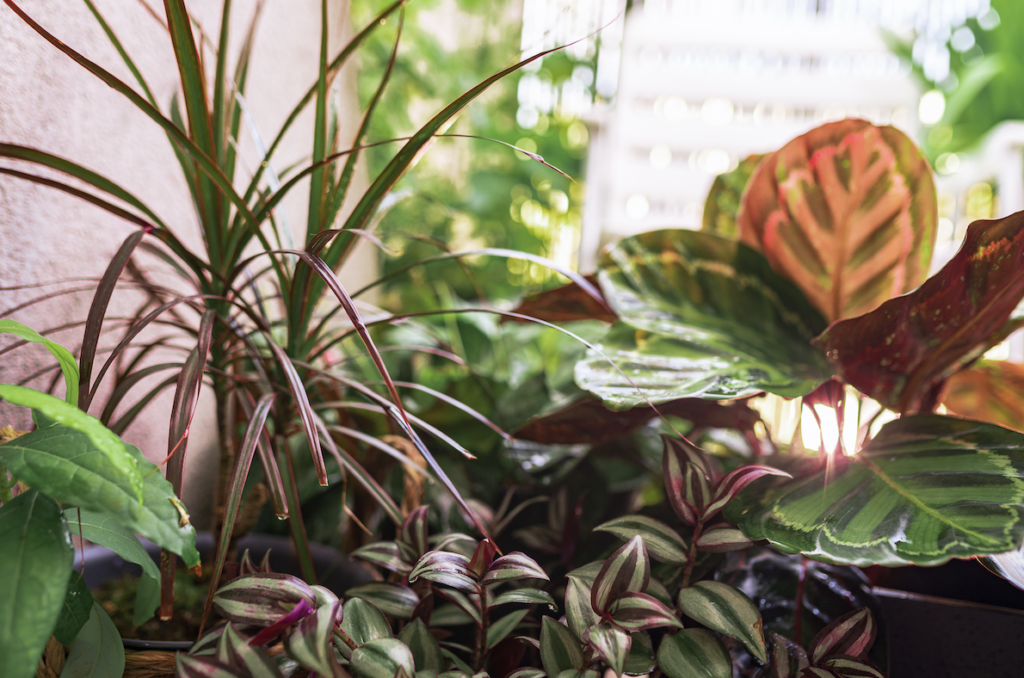
If possible, some houseplants benefit from spending time outdoors on a shaded balcony or patio. Gradual exposure is important, since sudden intense sunlight can damage indoor-grown foliage.
A good approach is:
- Start gradually: Put them outside for 1–2 hours in bright shade the first few days.
- Increase exposure slowly: Add a couple of hours every few days over 1–2 weeks.
- Keep them shaded at first: Morning sun is gentler than afternoon sun.
- Watch nighttime temperatures: Bring tropical houseplants indoors if nights drop below about 10–13°C (50–55°F).
You should bring plants back inside when:
- temperatures become cool,
- heavy rain or strong wind is expected,
- or leaves show stress such as bleaching, brown patches, or wilting.
With a little extra care, summer can become the season when your indoor plants look their healthiest and most vibrant. A bright corner, proper watering and occasional feeding are often all it takes to create a thriving indoor garden.