
July is one of the most rewarding months in the garden. Borders are bursting with colour, vegetable plots are producing harvests and long, summer evenings provide the perfect opportunity to enjoy your outdoor space. However, warmer temperatures and drier conditions mean your garden will need a little extra attention to stay looking its best.
Here are our top gardening jobs for July.
- Water Wisely
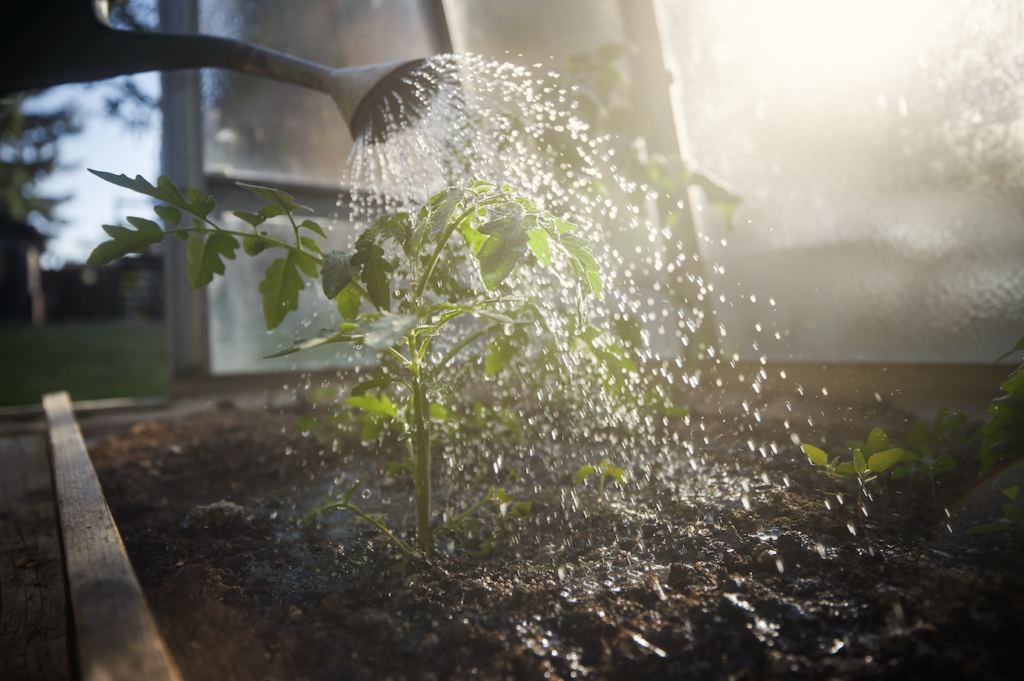
Keeping plants hydrated is the priority this month. Newly planted shrubs, hanging baskets, containers, vegetables and young plants are most vulnerable during dry spells.
This encourages roots to grow deeper, making plants more resilient during hot weather. Water early in the morning or late in the evening to reduce evaporation.
Top tip: Add a layer of mulch around plants to help retain moisture and suppress weeds.
- Deadhead Summer Flowers
Regular deadheading keeps your garden looking tidy and encourages many plants to produce more blooms.
Remove dead flowers from:
- Roses
- Dahlias
- Sweet peas
- Geraniums
- Marigolds
- Phlox
For repeat-flowering roses, cutting back faded blooms to a healthy leaf can help extend flowering, well into late summer.
- Feed Containers and Hanging Baskets
Plants growing in pots quickly use up available nutrients. To keep displays vibrant, feed containers and hanging baskets regularly with a liquid fertiliser, such as Miracle Gro All Purpose Plant Food.
Flowering plants, tomatoes and other fruiting crops benefit particularly from regular feeding during July.
- Harvest Fruit and Vegetables
July is a fantastic month for home-grown produce. Keep harvesting crops regularly to encourage continued production.
Look out for:
- Courgettes
- Runner beans
- French beans
- Salad leaves
- Early potatoes
- Strawberries
- Raspberries
Pick courgettes while they are still small and tender, before they become marrows.
- Keep On Top of Weeds
Warm soil and occasional summer rain can cause weeds to grow rapidly. A quick hoe around borders and vegetable beds every week will prevent weeds from competing with your plants for water and nutrients.
- Support and Prune Plants
Many plants are now carrying heavy flowers or fruit and may need support.
July is a good time to:
- Stake tall perennials
- Tie in climbing plants
- Support heavily laden fruit branches
- Trim hedges
- Prune spring-flowering shrubs once flowering has finished
Taking action now helps prevent damage from strong summer winds and heavy crops.
- Look After Your Lawn
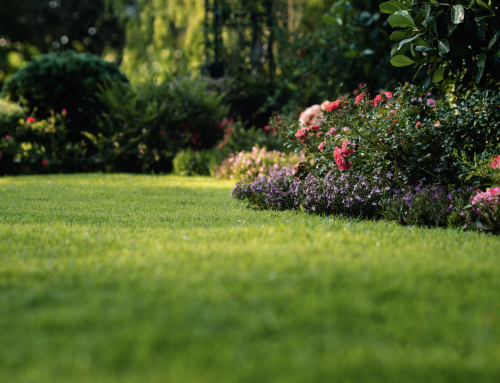
Lawns can struggle during prolonged, hot weather. Avoid cutting grass too short and raise mower blades slightly to help grass retain moisture.
Established lawns generally cope well with dry conditions and rarely need watering. In fact, allowing grass to grow a little longer can improve drought tolerance and benefit pollinators.
- Sow for Late Summer and Autumn
There is still plenty of time to sow vegetables for later harvests.
Good choices for July include:
- Spring cabbage
- Turnips
- Chicory
- Fennel
- Autumn and winter salads
- Carrots
You can also sow biennial flowers such as foxgloves and honesty now for blooms next year.
- Watch for Pests and Diseases
Warm conditions can encourage pests and diseases to spread quickly.
Check plants regularly for:
- Aphids
- Tomato and potato blight
- Black spot on roses
- Powdery mildew
- Slug and snail damage
Catching problems early makes them much easier to manage.
- Take Time to Enjoy Your Garden
With borders at their peak and harvest baskets filling up, July is also the perfect time to slow down and appreciate all your hard work. Whether it’s enjoying a morning coffee on the patio, picking fresh vegetables for dinner or admiring your summer blooms, make sure you take time to enjoy the garden you’ve created.